
The protective and preparatory products that complete the Unitex render system — from substrate sealers through to protective topcoats.
Page 1 of 1
-
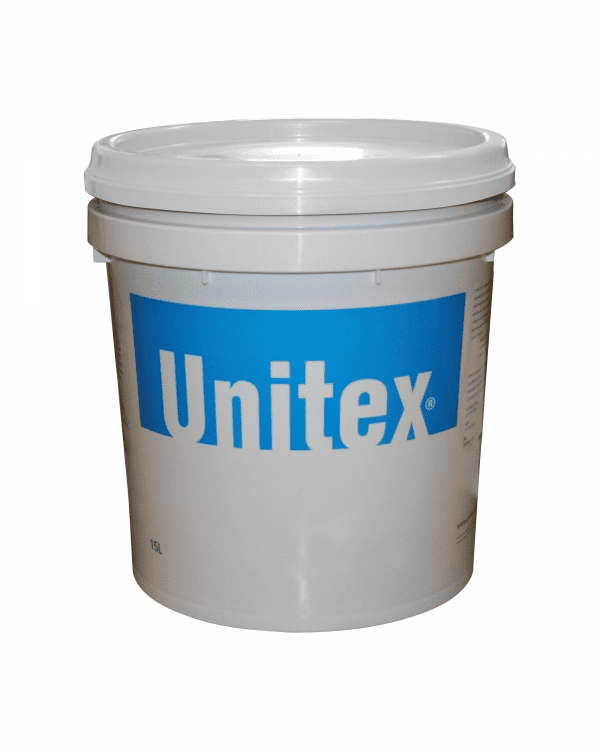
Uni-PTC (Protective Top Coat)
-
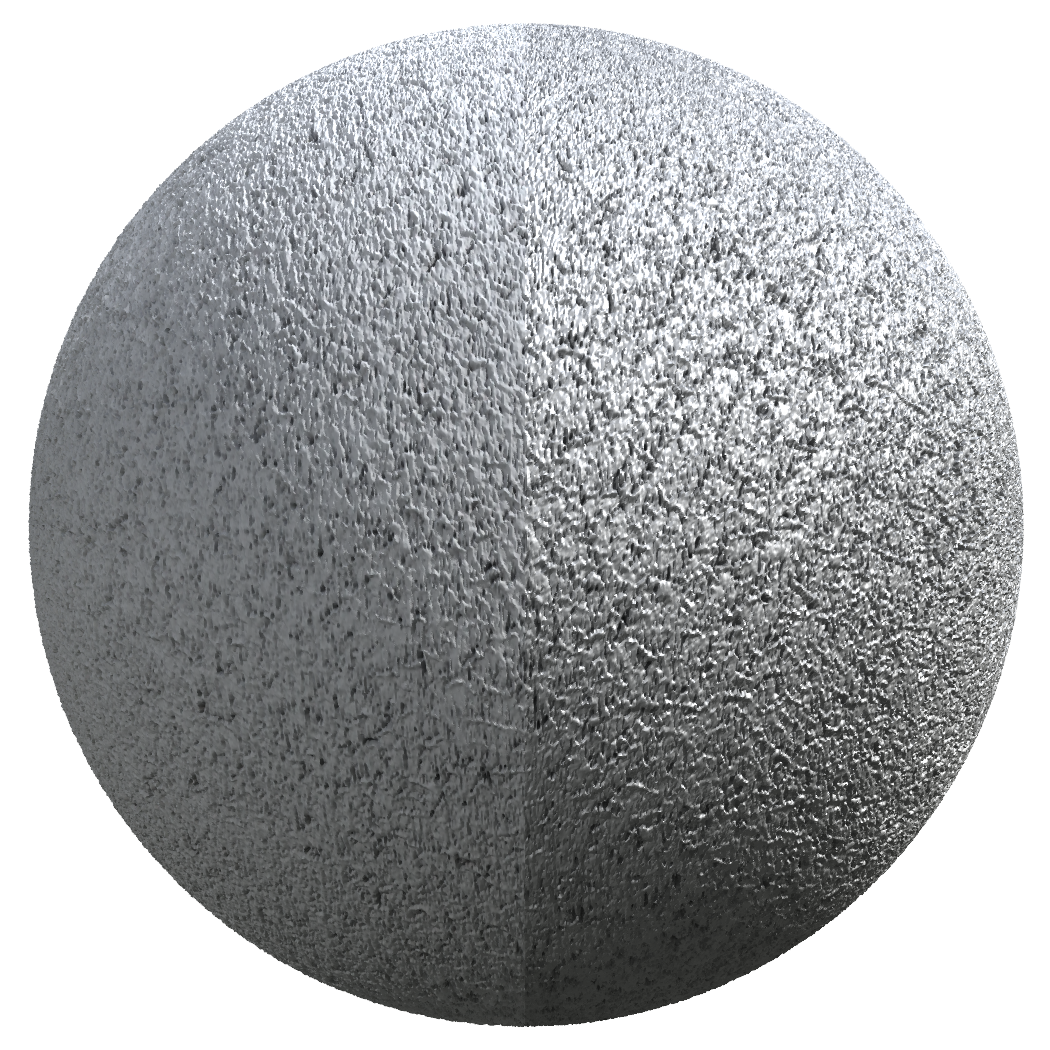
Unitex® Cembond Substrate Sealer
-
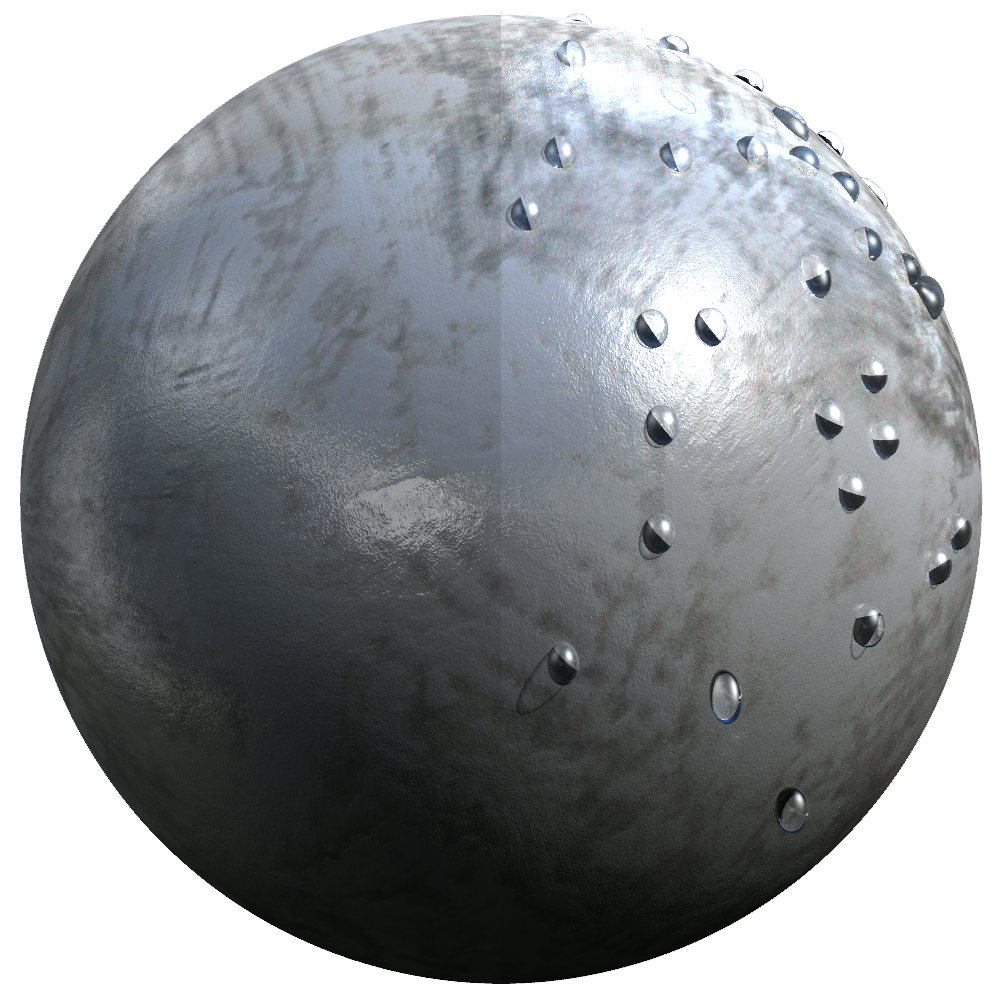
Unitex® Dry Seal
-
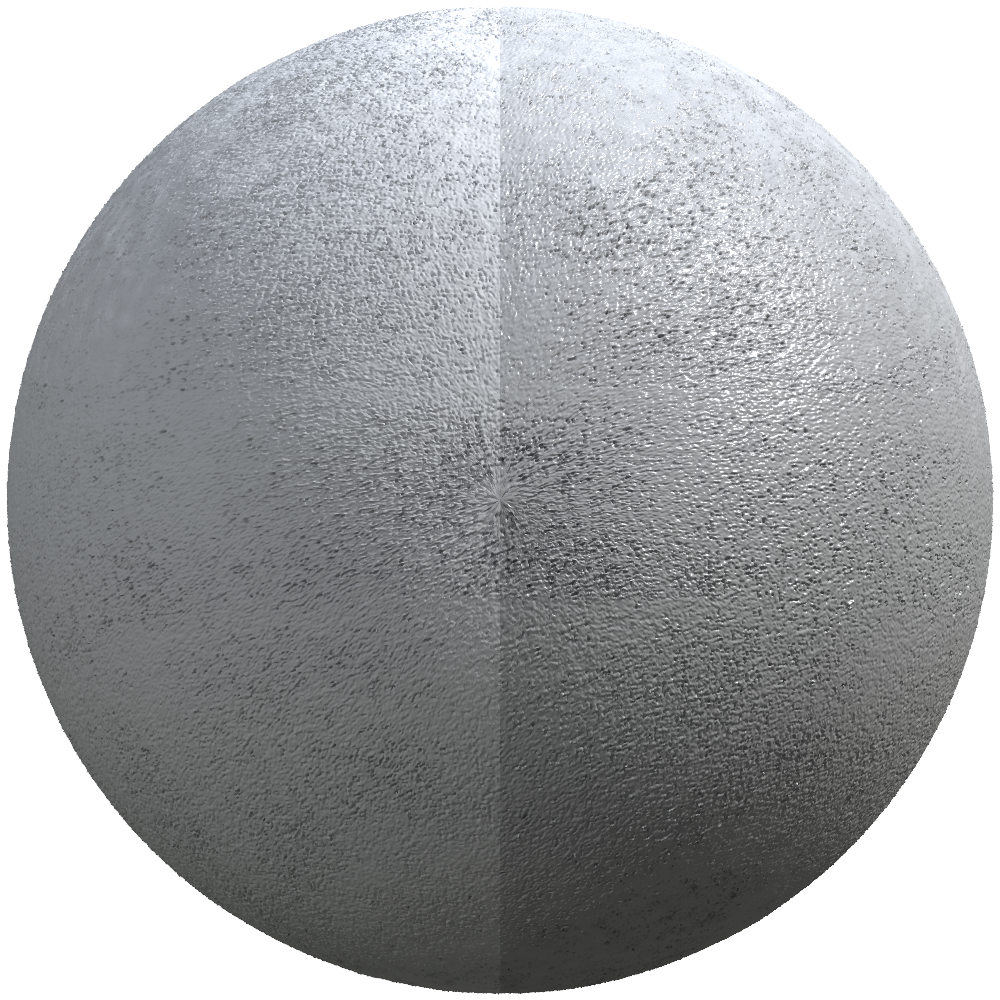
Unitex® Uni-Substrate Sealer
The Products That Make the System Work
A render system is only as good as the preparation that precedes it and the protection that follows it. Substrate sealers consolidate and prime surfaces for consistent render adhesion. Protective topcoats seal and protect finished render and texture surfaces against water, staining, and UV degradation. Without the right preparatory and protective products at each stage, even the best base coat render and texture finish will underperform.
Unitex paints, primers, and sealers are designed as integral components of the Unitex facade system. They are formulated to work with Unitex base coat renders and texture finishes — not as afterthoughts, but as products that enhance the performance of the complete system. Used correctly, they extend the service life of the render assembly, improve weather resistance, and simplify maintenance over the building’s lifetime.
All products in this range are manufactured in Australia at the Unitex facility in Dandenong, Victoria, using quality raw materials consistent with Unitex’s 42-year commitment to local manufacturing.
The Unitex Paints, Primers & Sealers Range
Uni-PTC (Protective Top Coat)
Uni-PTC is a high-performance protective topcoat for application over Unitex texture and finish systems. It provides an additional layer of weather resistance, UV protection, and surface sealing that extends the service life of the facade finish and simplifies future maintenance. Uni-PTC is applied as a final coat over the cured texture finish and is particularly valuable in high-exposure environments — coastal locations, north-facing elevations with intense UV loading, or environments with elevated pollution or moisture.
For projects where the render and texture system will be subject to ongoing environmental stress, Uni-PTC provides measurable protection against colour fade, water absorption, and biological growth. It is a straightforward addition to the finishing sequence that significantly improves long-term performance.
Unitex® Cembond Substrate Sealer
Cembond is a substrate sealer and bonding agent designed to consolidate and prime concrete, blockwork, and other cementitious surfaces before render application. It improves adhesion of base coat renders to dense or variable-porosity substrates where direct render application might result in inconsistent bonding. Cembond penetrates the substrate surface, seals variable porosity, and provides a consistent, prepared surface for render application.
Cembond is a critical preparation product for concrete blockwork, precast panels, and similar substrates where porosity variation is common. Skipping substrate sealing on these surfaces is a leading cause of render adhesion failure — Cembond eliminates the risk.
Unitex® Dry Seal
A penetrating sealer for application to finished render and texture surfaces to improve water resistance and reduce moisture absorption. Dry Seal penetrates the surface of the cured render or texture finish and seals the pore structure against water ingress without significantly altering the surface appearance. It is particularly suited to surfaces exposed to driving rain, high humidity, or splash-back at ground level.
Dry Seal is a practical protective measure for projects in high-rainfall climates, coastal environments, or where the render substrate creates elevated moisture risk. It does not provide the same level of UV and colour protection as Uni-PTC but is effective as a targeted moisture barrier for specific applications.
Unitex® Uni-Substrate Sealer
A general-purpose substrate sealer for a range of surface types including brickwork, fibre cement sheeting, and other common render substrates. Uni-Substrate Sealer consolidates the surface, seals porosity, and improves render adhesion consistency. It is particularly suited to projects where the substrate has variable or elevated porosity that would result in inconsistent render suction if left unsealed.
Uni-Substrate Sealer is a fast-drying, water-based product that does not significantly delay the render application programme. It is applied by brush or roller and dries to a clear, consolidated finish that prepares the surface for base coat render without altering the substrate profile.
When to Use Primers and Sealers
Before Rendering: Substrate Preparation
Substrate sealers (Cembond and Uni-Substrate Sealer) are applied before the base coat render, as part of the surface preparation sequence. Their purpose is to consolidate the substrate, equalise porosity, and improve render adhesion. Whether a sealer is required depends on the substrate type, condition, and porosity — the relevant Unitex System Specification guide details sealer requirements for each substrate.
As a general principle: if the substrate has variable porosity, is dense and low-absorption, or shows signs of surface weakness or contamination, a sealer is likely required. Applying a sealer adds minimal cost and time to the render programme; remedying a failed render system without one is significantly more expensive.
After Finishing: Surface Protection
Uni-PTC and Dry Seal are applied after the texture or finish coat has fully cured. Their purpose is to protect the finished surface from the elements and extend the service life of the facade system. Not all projects require a topcoat or sealer — for standard residential renders in moderate environments, the texture finish alone provides adequate performance. For high-exposure, high-specification, or long-warranty projects, protective topcoating is a worthwhile investment.
The Unitex technical sales team can advise on whether a protective topcoat or sealer is recommended for your specific project conditions and requirements.
System Integrity: Why Compatible Products Matter
Using Unitex primers, sealers, and topcoats within the Unitex render system ensures compatibility at every layer. Each product is formulated to work with the others — bonding agents, base coat renders, texture finishes, and protective coatings are designed as a system, not as independent products.
Introducing non-Unitex products at any stage of the system introduces compatibility risk. Adhesion failures, topcoat delamination, and inconsistent finish performance are common consequences of mixed-system approaches. Where CodeMark-accredited assemblies are involved, using non-specified products affects the validity of the accreditation.
For the best result — and for warranty and accreditation compliance — specify the complete Unitex system and contact the technical team if you have questions about any component.
Order and Enquire
Unitex paints, primers, & sealers are available from Unitex Render Warehouse (URW) branches in Oakleigh South (VIC), Seven Hills (NSW), and Dry Creek (SA), open from 6:00am Monday to Friday for trade pickup. For project quantities, call 1800 RENDER (1800 736 337) or email sales@unitex.com.au. Use the Request a Quote form on the Unitex website for a written materials estimate.
Frequently Asked Questions — Unitex Paints, Primers & Sealers
Do I always need to use a primer or sealer before rendering?
Not always — it depends on the substrate. Dense or variable-porosity surfaces such as concrete blockwork and precast panels typically require a substrate sealer for consistent render adhesion. Brickwork and fibre cement sheeting may or may not require sealing depending on their condition and porosity. The relevant Unitex System Specification guide details sealer requirements for each substrate type. If you are unsure, contact the Unitex technical team before starting.
What is the difference between Uni-PTC and Dry Seal?
Uni-PTC is a protective topcoat applied over the finished texture or render surface. It provides UV protection, weather resistance, and surface sealing that extends the life of the entire facade finish — and is the higher-specification protective product. Dry Seal is a penetrating sealer that reduces moisture absorption in the finished render or texture surface. It is more targeted in its application and suited to projects where moisture resistance is the primary concern rather than broad surface protection.
Can Uni-PTC be applied over any texture finish?
Uni-PTC is designed for use over Unitex texture and finish products. Confirm compatibility with the specific texture product being used by consulting the Application Manuals or contacting the Unitex technical team. Uni-PTC should not be applied over non-Unitex texture finishes without confirming compatibility first.
How long after rendering should I wait before applying Uni-PTC?
The texture or finish coat must be fully cured before Uni-PTC is applied. Cure time depends on temperature, humidity, and the specific product. Refer to the product data sheet for the relevant texture finish and the Uni-PTC data sheet for minimum cure time requirements. Applying Uni-PTC over an incompletely cured surface can affect adhesion and final appearance.