Table of Contents
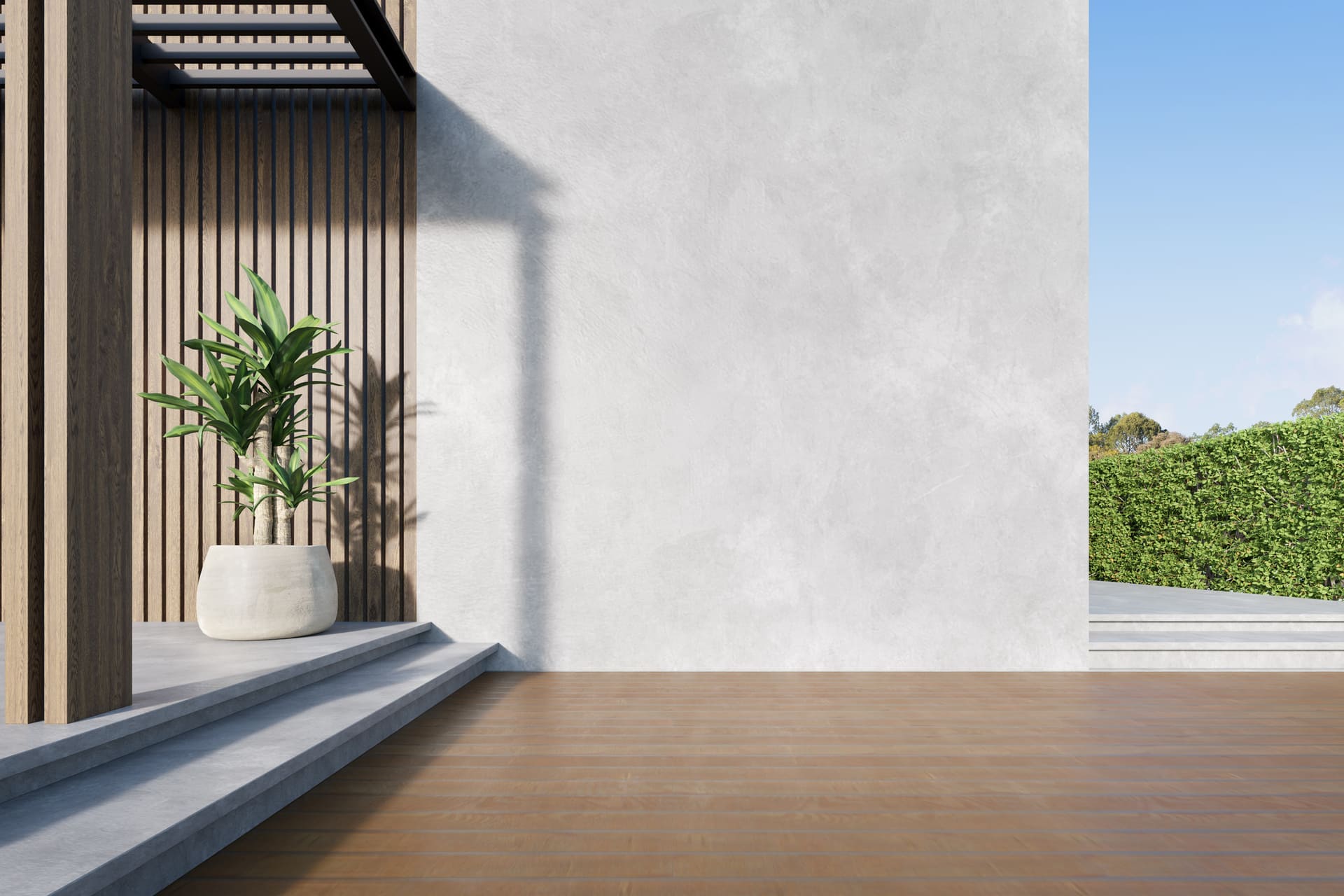
The texture finish you select defines the final appearance and character of rendered facades and interior walls. For builders, plasterers, and developers working across Victoria, NSW, and South Australia, understanding the complete range of Unitex textures & finishes helps match aesthetic requirements to application methods while ensuring long-lasting, weather-resistant results. From ultra-fine polished concrete effects to bold coarse-grain scratch finishes, Unitex manufactures acrylic-bound texture coatings designed specifically for Australian climate conditions.
Unitex applied texture finishes are designed for decorating both interior and exterior walls, suitable for application over surfaces properly prepared with base coat renders from the Unitex range. These ready-to-use, water-based products provide one-coat application with long-life, heavy-duty performance. The key to successful specification lies in understanding how grain size, application method, and product formulation create distinct aesthetic outcomes—and which texture types suit specific project requirements.
Understanding Texture Grain Sizes and Effects
Texture grain size fundamentally determines the visual appearance and tactile quality of finished facades. Unitex manufactures textures across the complete spectrum from ultra-fine to coarse grain, allowing builders to match architectural intent while considering practical application factors.
Fine Grain Textures
Fine grain textures create subtle, sophisticated surfaces with minimal texture depth. These finishes work particularly well for contemporary architectural styles, internal feature walls, and projects where a refined, smooth appearance is desired without the completely flat look of paint alone. Fine grain textures provide visual interest through subtle surface variation while maintaining an elegant, understated character.
The application process for fine grain textures typically involves careful trowel work to achieve uniform coverage without excessive texture build-up. These products require experienced applicators who understand how to control film thickness and achieve consistent results across large wall areas. The fine grain size means any application inconsistencies are more visible than with coarser textures, making proper base coat preparation critical for success.
Medium Grain Textures
Medium grain textures represent the most versatile category, suitable for diverse architectural styles from traditional to contemporary. These textures provide enough surface variation to hide minor substrate imperfections while maintaining a refined appearance appropriate for residential and commercial projects. Medium grain finishes are often the default choice for volume builders seeking reliable, attractive results that appeal to broad market preferences.
Application of medium grain textures is more forgiving than fine grain products, with the texture depth helping to mask minor application variations. This makes medium grain options practical choices for projects where installation speed matters alongside aesthetic quality. The grain size provides weather resistance and durability while maintaining visual appeal across years of exposure to Australian sun, wind, and rain.
Coarse Grain Textures
Coarse grain textures create bold, pronounced surface effects with significant texture depth. Often referred to as “scratch” or “graffiato” finishes, these products deliver dramatic visual impact suitable for statement facades, feature walls, and architectural designs emphasising texture as a primary design element. The deep grain provides excellent shadow play as sunlight moves across facades throughout the day, creating dynamic visual interest.
Coarse grain textures offer practical advantages beyond aesthetics. The pronounced texture depth effectively hides substrate imperfections and provides exceptional weather resistance. The deep grooves shed water efficiently while the textured surface resists impact damage better than smoother finishes. For coastal environments or high-traffic areas, coarse grain textures provide durability advantages alongside their distinctive appearance.
Application technique for coarse grain textures involves specific trowelling or floating methods to achieve the characteristic scratched appearance. The texture can be applied and then immediately floated with plastic texture floats to create directional patterns, or left with the trowel application marks for a more irregular finish. The flexibility in application technique allows for subtle variations in final appearance even within the same product.
Unitex Texture Product Categories
Beyond grain size, Unitex organises texture products by application method and specific performance characteristics. Understanding these product categories helps builders select textures that match both aesthetic requirements and practical application constraints.
Trowel-On Textures
Trowel-on textures represent the traditional application method for acrylic texture finishes, providing maximum control over texture depth and pattern. These ready-to-use products are applied with standard plastering trowels and then floated with plastic texture floats to achieve the desired grain appearance and directional pattern.
Trowel-on textures suit both exterior and interior applications, available in grain sizes ranging from fine to coarse. The application method allows experienced plasterers to create consistent results across large wall areas while adapting texture depth and pattern to specific design requirements. For builders working with skilled rendering contractors, trowel-on textures deliver professional results with excellent long-term durability.
The majority of Unitex trowel-on textures are water-based, ready-to-use formulations that eliminate on-site mixing variables. This ensures consistent colour, texture, and performance across the project while simplifying quality control and reducing waste.
Trowel-On Dry Textures
Trowel-on dry textures are powder-based products mixed on-site with water according to manufacturer specifications. These formulations provide similar aesthetic results to ready-mixed trowel-on textures while offering advantages in shelf life, transport costs, and flexibility for larger projects.
Proper mixing is critical with dry texture products—correct water ratios and thorough mixing ensure the specified texture grain and working properties. The powder format allows builders to mix quantities suited to daily application rates, reducing waste on projects with variable weather conditions or staging requirements.
Roll-On Textures
Roll-on textures provide faster coverage for large wall areas compared to trowel application methods. These products are formulated for application with paint rollers, making them practical choices for projects where speed matters and where the slightly different texture character of rolled application suits the design intent.
Roll-on textures typically create more uniform, less pronounced surface effects compared to trowelled products. This makes them suitable for contemporary designs favouring subtle texture variation rather than bold grain patterns. The application speed advantage of rolled textures can significantly reduce labour costs on large commercial projects or volume residential developments.
Polished Concrete Finishes
Polished concrete effect finishes represent a distinct category within the Unitex texture range, designed to replicate the appearance of trowelled and polished concrete surfaces. Products like Unitex Uni-Rock and Tanami deliver the industrial-chic aesthetic of polished concrete without the weight, cost, or application complexity of actual concrete finishes.
These specialty finishes require specific application techniques to achieve the characteristic burnished appearance with subtle colour variation. The products work over properly prepared render bases, providing the visual impact of polished concrete with the lightweight, insulated performance of acrylic render systems. For contemporary residential and commercial projects specifying concrete aesthetics, these finishes deliver authentic appearance with superior thermal performance.
Bagging Finishes
Bagging finishes create the traditional bagged brick appearance, providing a textured surface that suits heritage projects, period renovations, and designs referencing historical building styles. The bagging technique involves applying product and then working it with specific tools to achieve the characteristic irregular, partially translucent finish.
While less common in contemporary construction, bagging finishes remain important for renovation projects requiring sympathetic treatments to match existing bagged brick facades. Unitex products in this category provide the authentic appearance of traditional bagging with modern acrylic technology for improved weather resistance and longevity.
Application Method Requirements
Successful texture application depends on understanding product-specific requirements for substrate preparation, timing, and technique. While Unitex provides detailed application manuals for each product, several universal principles apply across the texture range.
Substrate Preparation
All Unitex texture finishes require application over properly prepared base coat renders from the Unitex render range. The base coat must be true, level, and smooth-sponged to create an acceptable substrate for the final texture coat. Attempting to apply texture over inadequately prepared substrates results in visible imperfections, inconsistent appearance, and potential adhesion problems.
Base coat renders must be completely dry before texture application. Unitex recommends minimum 72 hours drying time between base coat and texture application in average dry conditions, extending to up to 7 days in cold, wet winter weather. The substrate must be dried to minimum WME 12% (Wood Moisture Equivalent measured with moisture meter) before proceeding with texture coats.
Application Timing and Technique
Timing is critical in texture application. Drying times vary enormously depending on weather conditions, wind, and substrate characteristics. There is no universal answer to when floating should begin after texture application—applicators must test readiness by attempting to float small sections.
If texture sticks to the float or peels from the wall, it’s too wet. If texture has dried too much, achieving consistent finish becomes difficult or impossible. This is why Unitex recommends minimum two-person teams for texture application—one person applies while another follows closely behind floating the texture before it dries. This ensures consistent, uniform finish across the project.
The type of float matters too. Texture should be floated with plastic texture floats (typically red in colour) available from Unitex and URW outlets. Using incorrect float types affects the final texture appearance and may damage the finish.
Tool Requirements
Beyond the plastic texture float, proper tools for texture application include appropriate trowels for application, clean water for float cleaning, and staging that allows comfortable working heights without overreaching. For rolled textures, quality paint rollers with appropriate nap length ensure proper coverage and texture formation.
Selecting the Right Texture for Your Project
Texture selection should balance aesthetic requirements, application practicality, and long-term performance considerations:
Consider architectural style: Fine grain textures suit contemporary minimalist designs, medium grain fits most residential and commercial styles, coarse grain provides dramatic impact for statement facades.
Evaluate application constraints: Trowel-on textures require skilled applicators and appropriate weather conditions. Roll-on textures provide faster coverage with slightly different aesthetic results. Dry textures offer flexibility for larger projects with variable staging.
Account for exposure conditions: Coastal environments, high-traffic areas, and facades with significant weather exposure benefit from coarser grain textures with deeper profiles that shed water effectively and resist impact damage.
Match to substrate type: Ensure selected texture is compatible with the base coat render system. Review product specifications for any substrate-specific requirements or limitations.
Plan for weather conditions: Australian climate varies dramatically across regions and seasons. Consider local temperature and humidity when scheduling texture application to ensure proper drying and floating times.
Technical Support and Sample Availability
Choosing texture finishes without seeing actual samples can lead to disappointing results. Unitex provides sample requests and technical support to help builders and specifiers make informed decisions. The technical sales team across Victoria, NSW, and South Australia can provide product samples showing different grain sizes and finishes, helping match aesthetic intent to actual product performance.
For complex projects or unique design requirements, Unitex technical representatives can visit sites to assess specific conditions and recommend appropriate texture selections. This support ensures texture specification matches both aesthetic goals and practical installation requirements.
Get Expert Guidance on Texture Selection
Need help choosing the right Unitex texture finish for your project? The Unitex technical team can provide product samples, recommend textures based on your design requirements, and connect you with experienced applicators familiar with your chosen products. Request a quote or contact Unitex at 1800 RENDER (1800 736 337) or sales@unitex.com.au. Our experienced team across Victoria, NSW, and South Australia is ready to support your project with Australian-made quality, comprehensive product range, and genuine trade expertise.
You May Also Like