
Unitex’s range of trowel-on texture finishes gives builders, plasterers and specifiers genuine choice over the final look of a rendered wall. Every trowel render in the range is applied by trowel and hawk in a single coat, then floated to bring out its own scratch, granular or sand-effect pattern — the classic troweled finish that’s stood the test of time on Australian homes and commercial builds alike. Whether the brief calls for a fine, subtle trowel finish or a bolder, coarse texture with real depth and shadow, there’s a trowel finish render to suit. Each finish is manufactured in Australia, designed for exterior use, and applied entirely by hand — no spray equipment required, which keeps the process straightforward on site.
Page 1 of 1
-
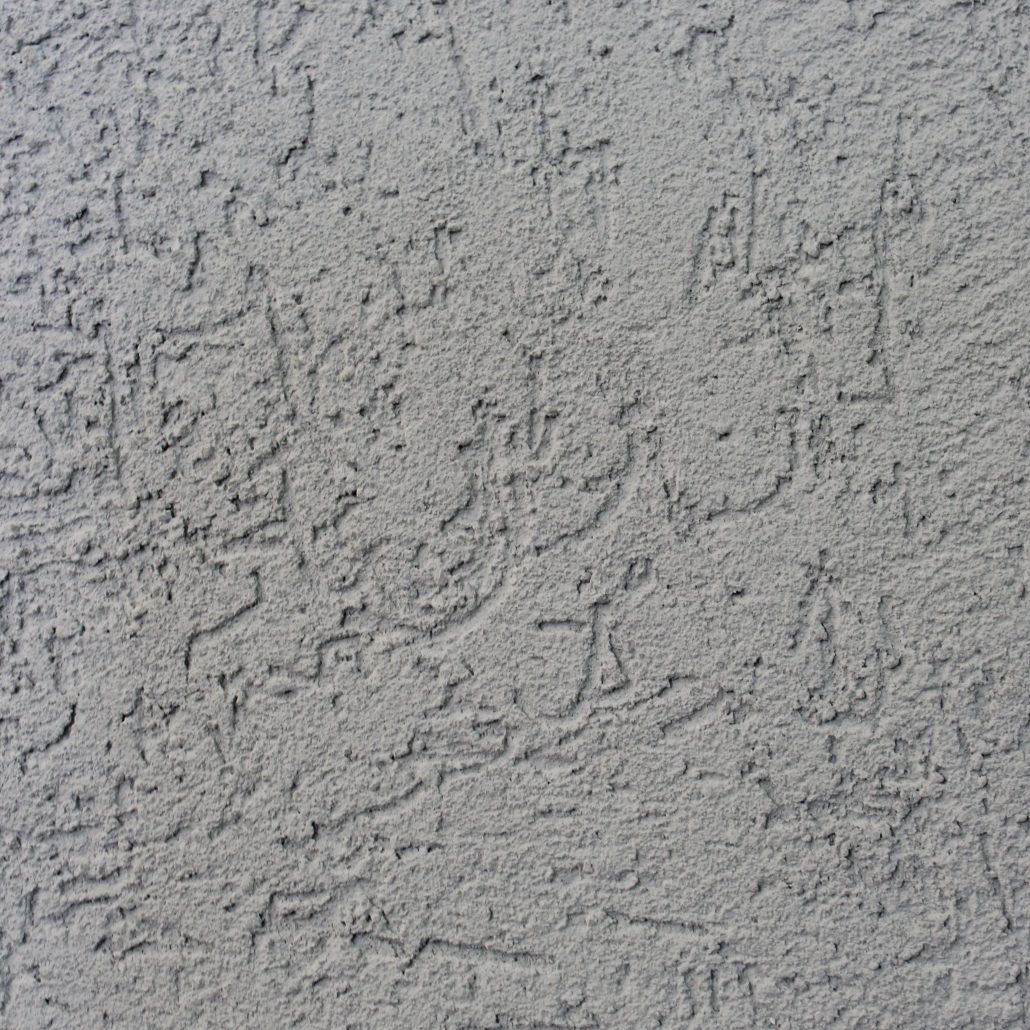
Trowel On Texture – 104
-
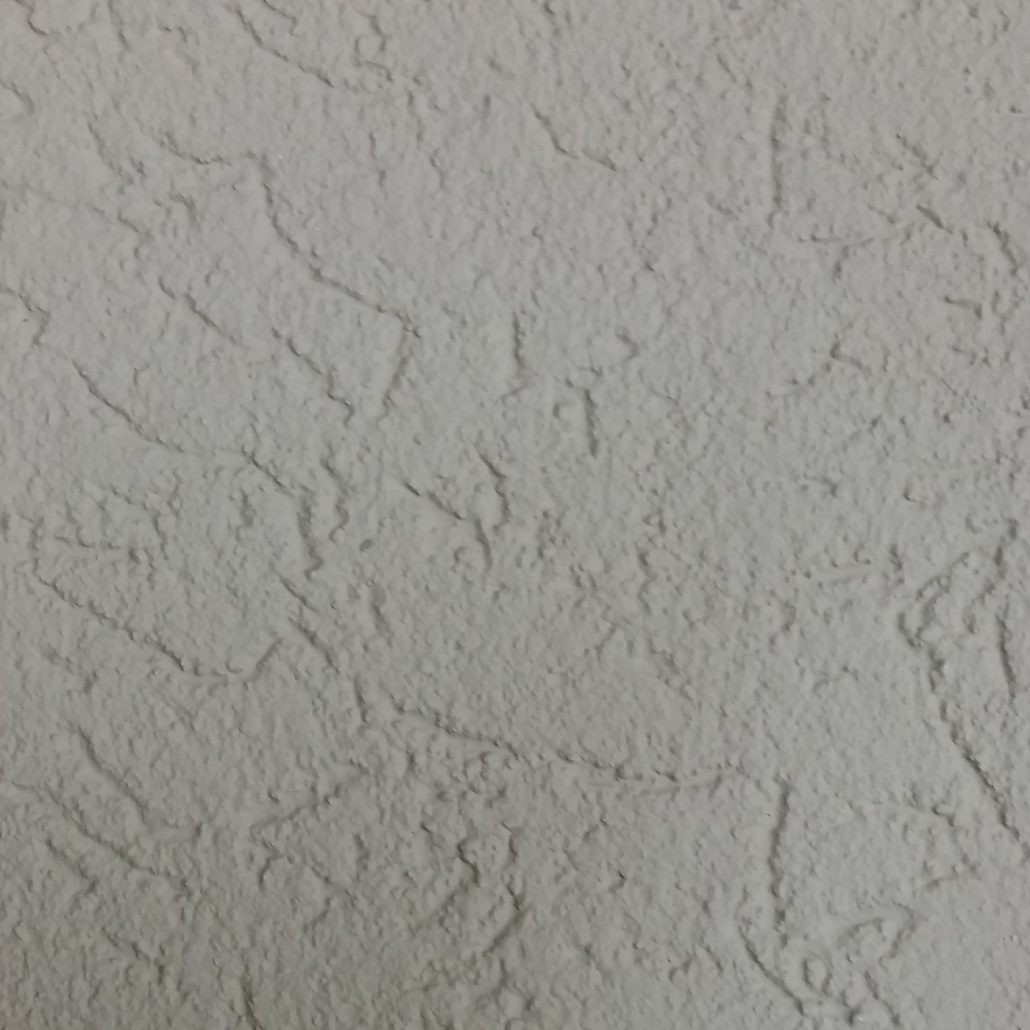
Trowel On Texture – 107
-
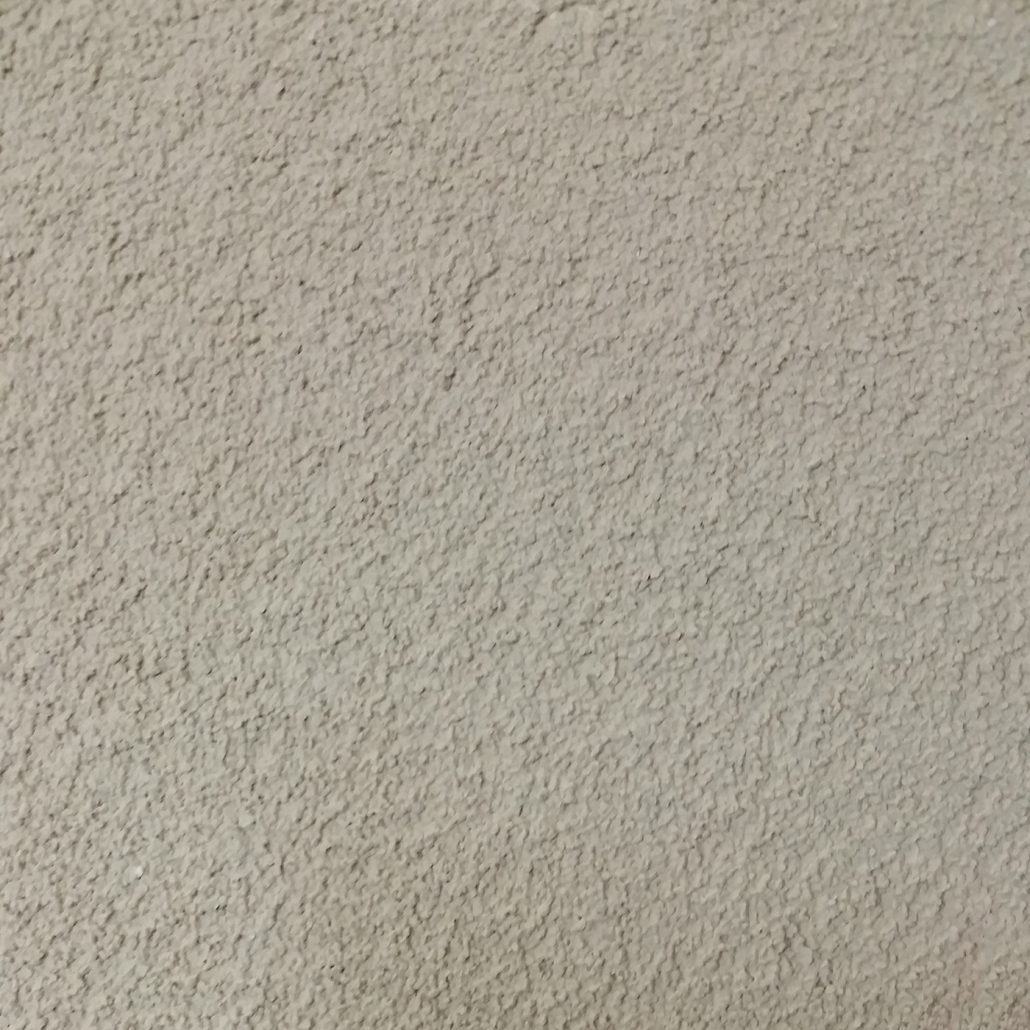
Trowel On Texture – 146
-
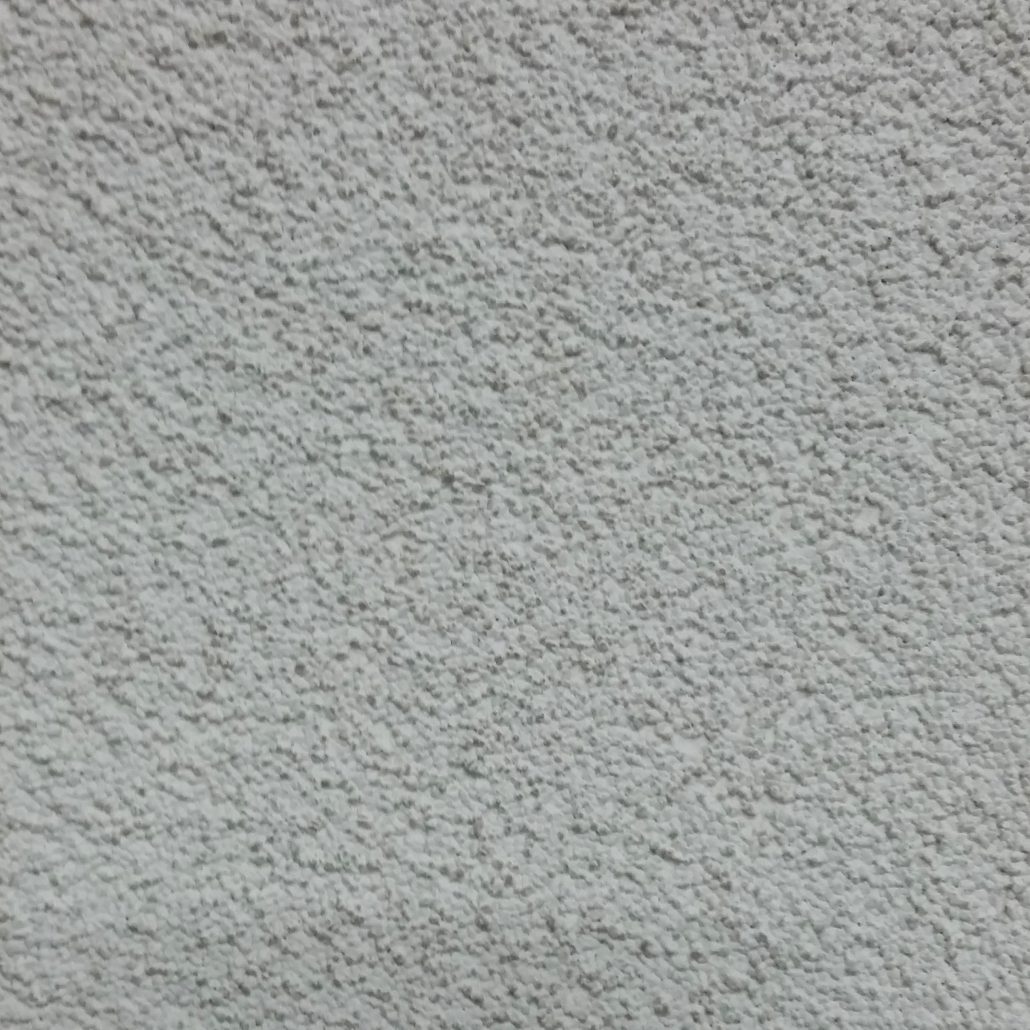
Trowel On Texture – 333
-
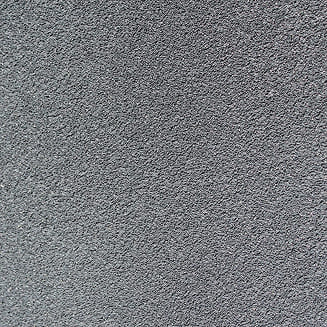
Trowel On Texture – 500
-
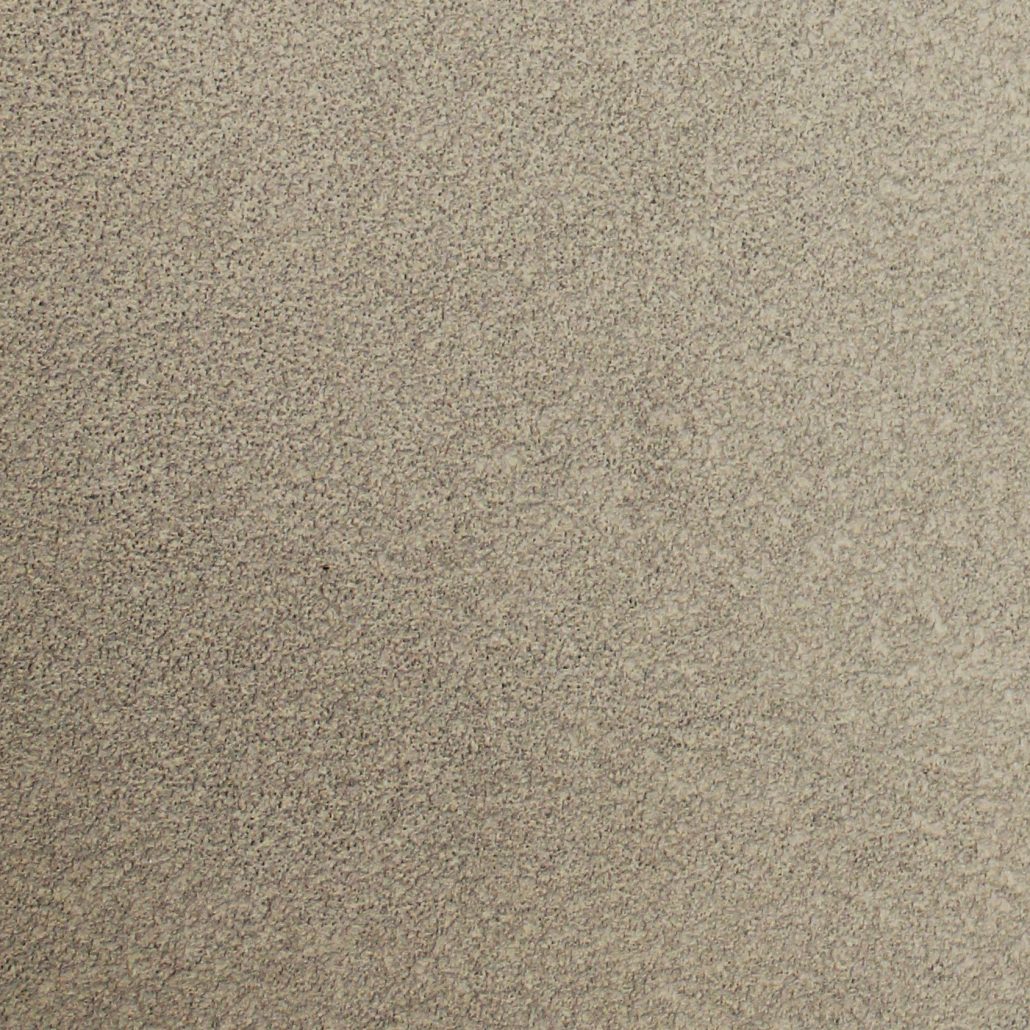
Trowel On Texture – 777
-
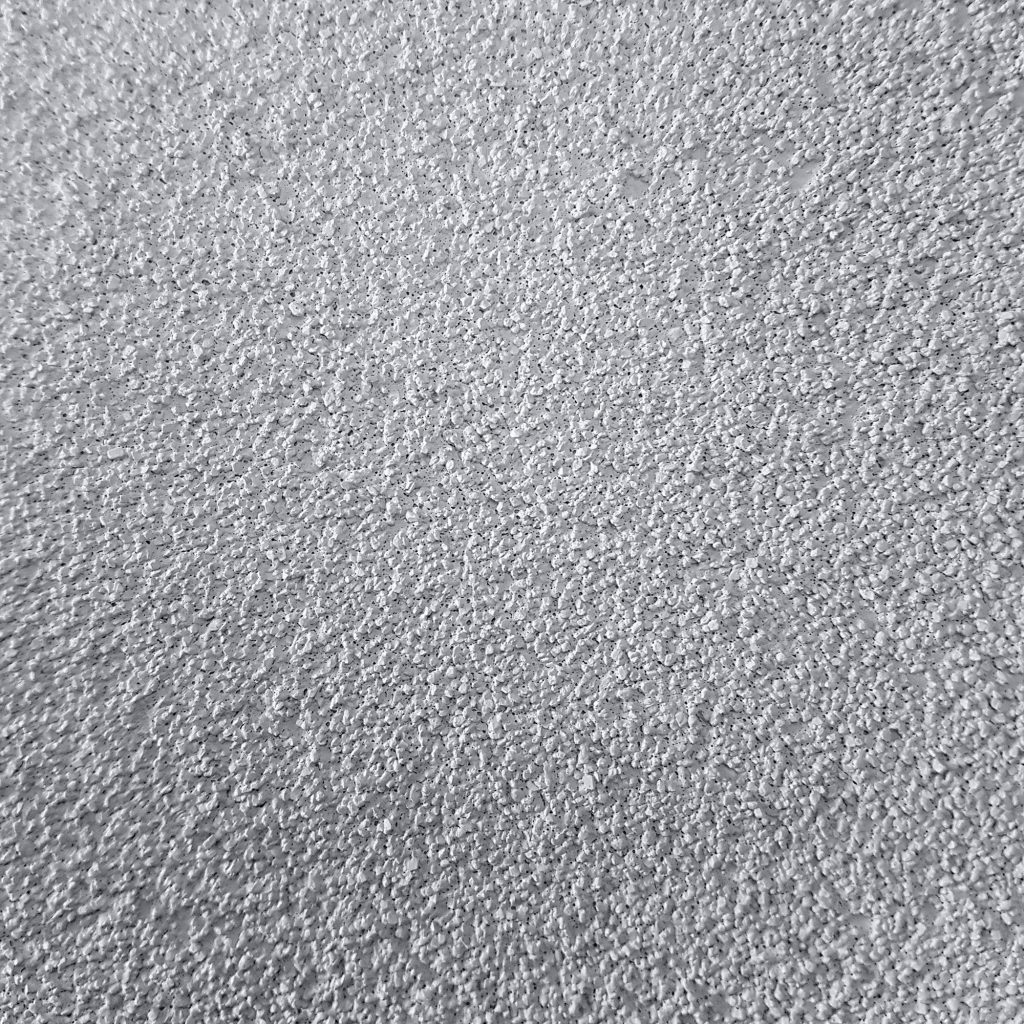
Trowel On Texture – 888
A Trowel Texture for Every Grain Size
The trowel-on texture coating range spans fine to coarse aggregate, so the finished texture can be dialled in to suit the design. At the fine end, a scratch grain trowel finish — available in a tighter 0.5–1mm grain or a slightly coarser 1–2mm grain — leaves a continuous furrow across an otherwise smooth, level surface for a subtle but genuinely textured trowel finish. A fine marble grain trowel finish takes a different approach, floating to a smooth, level fine-grain appearance rather than a scratched surface, while a fine sand trowel finish delivers a more pronounced sand-effect texture than older, more traditional fine sand products. Moving up in grain size, medium sand grain and medium marble grain trowel finishes offer a heavier, well-defined granular texture with improved workability, better coverage and fewer of the “dead spots” that can show up in lower-quality medium grain trowel textures. Every finish in the range is acrylic-based and can be tinted from white through to a full range of colour and pastel shades, so a trowelled finish never has to come at the expense of the specified colour palette.
Rough Render Texture and Coarse Options
For projects chasing a bolder, more tactile look — sometimes described in the trade as a rough render finish or coarse texture — the heavier grain options in the range are the ones to specify. These trowel finishes are worked with a float in a light, circular motion once the coating has partially set, leaving a continuous furrow or granular texture that doesn’t fill back in later. The result is a genuinely coarse render texture with visible depth and shadow lines, well suited to feature walls, heritage-style facades, entry statements or any project where a hand-finished, textured render is part of the brief. Because the coarser trowel finishes are worked by hand rather than sprayed, the applicator has real control over how pronounced the final texture ends up — a finer float pass softens the effect, while a firmer pass leaves a rougher, more emphatic finish.
Trowel Application Over Unitex Specialty Renders
Unitex trowel-on texture finishes are designed to be trowelled over dry, already rendered walls prepared with products from the Unitex Specialty Renders range. For brickwork, blockwork and other masonry, that means renders such as Uni-Dry Cote Redi Render, HiLite Render or Fast-R. For bare EPS foam, Polymer Render and DryPoly Render — reinforced with alkali-resistant fibreglass mesh — provide the substrate. And for Unitex Base Board cladding panels, Base Board Render and BBR Render build and level the surface ready for the trowel finish. Freshly applied cement-rich renders need a minimum of 28 days to cure before a trowel-on texture finish is applied, and moisture content should be checked with a moisture meter before work begins. Where a wall has more than one render product applied across it, a coat of Cembond Substrate Sealer helps even out absorbency so the trowel finish dries to a consistent appearance, rather than drying glossier over non-absorbent patches and flatter over absorbent ones.
Suited to New Builds and Renovations
Used in conjunction with Unitex mouldings and profiles, trowel-on texture finishes can lift the appearance of an existing home during a renovation or help bring a new design to life from the ground up. Because each finish is applied and floated by hand on site, it’s straightforward to work a trowel finish render around architectural detailing, window reveals and feature elements without losing the continuity of the texture. This makes the range a practical choice for both volume builders working to a set palette and renovators after a specific, hand-finished trowel texture on a single feature wall.
Built to Perform in Australian Conditions
All Unitex trowel-on texture finishes are water-based, low-toxicity acrylic coatings formulated with a water permeability factor that rainproofs the exterior while still allowing water vapour from the substrate to escape. Colour is integrated through the full film thickness rather than sitting on the surface, and components in the finish resist attack from bacteria and fungi both in the pail and once dry. The full Unitex coating system is fire tested to AS/NZS 1530.3:1999, covering ignitability, flame spread, heat release and smoke release. Application is weather-dependent — trowel finishes shouldn’t go on if rain is forecast within four hours or if temperatures sit outside roughly 10°C to 35°C, and freshly applied coatings need protection from rain, moisture and frost for at least 48 hours. Once cured, each trowel finish can be overcoated with a protective topcoat such as Uni-PTC or a thicker acrylic coating like Uni-Flex Membrane for extra durability.
Frequently Asked Questions
What’s the difference between a fine and a coarse trowel texture?
Fine trowel finishes, such as a fine scratch grain or fine marble grain, leave a subtler, tightly worked surface with less visible depth. Coarse trowel finishes use a larger aggregate and a firmer float pass, leaving a more pronounced, granular rough render texture with visible shadow lines.
Can trowel-on texture finishes be tinted?
Yes. Every finish in the range is supplied in white or can be tinted to a wide range of colour and pastel shades, with pigment integrated through the full coating thickness.
What surface does a trowel finish need to be applied over?
Trowel-on texture finishes are applied over dry, already rendered walls. The correct base render depends on the substrate — masonry, EPS foam or Base Board cladding panels each use a different Unitex Specialty Render as the preparation coat.
How long before a trowel finish can be overcoated?
A minimum of 48 hours, using a protective topcoat such as Uni-PTC or a thicker acrylic coating such as Uni-Flex Membrane.
Are trowel-on texture finishes suitable for renovations as well as new builds?
Yes. The range is designed for both new home construction and renovation projects, and works well alongside Unitex mouldings and profiles to update an existing facade.
Talk to the Unitex technical sales team about choosing the right trowel-on texture finish for your next project. Call 1800 RENDER, request a quote online, or email sales@unitex.com.au for samples, colour options and technical data sheets.