
A polished concrete finish on a wall usually means casting real concrete or commissioning a specialist plaster technique. Unitex® Uni-Rock gives builders and renderers another way to get there. It’s a cementitious skim coat, supplied as a dry powder, that is mixed with water and trowelled on in thin layers over rendered walls to produce a smooth, concrete-like finish that is strong and durable once dry. It can stay as the outer surface or be over-coated to suit the project. Uni-Rock is a wall finish applied over render, not a floor polishing system.
Page 1 of 1
-
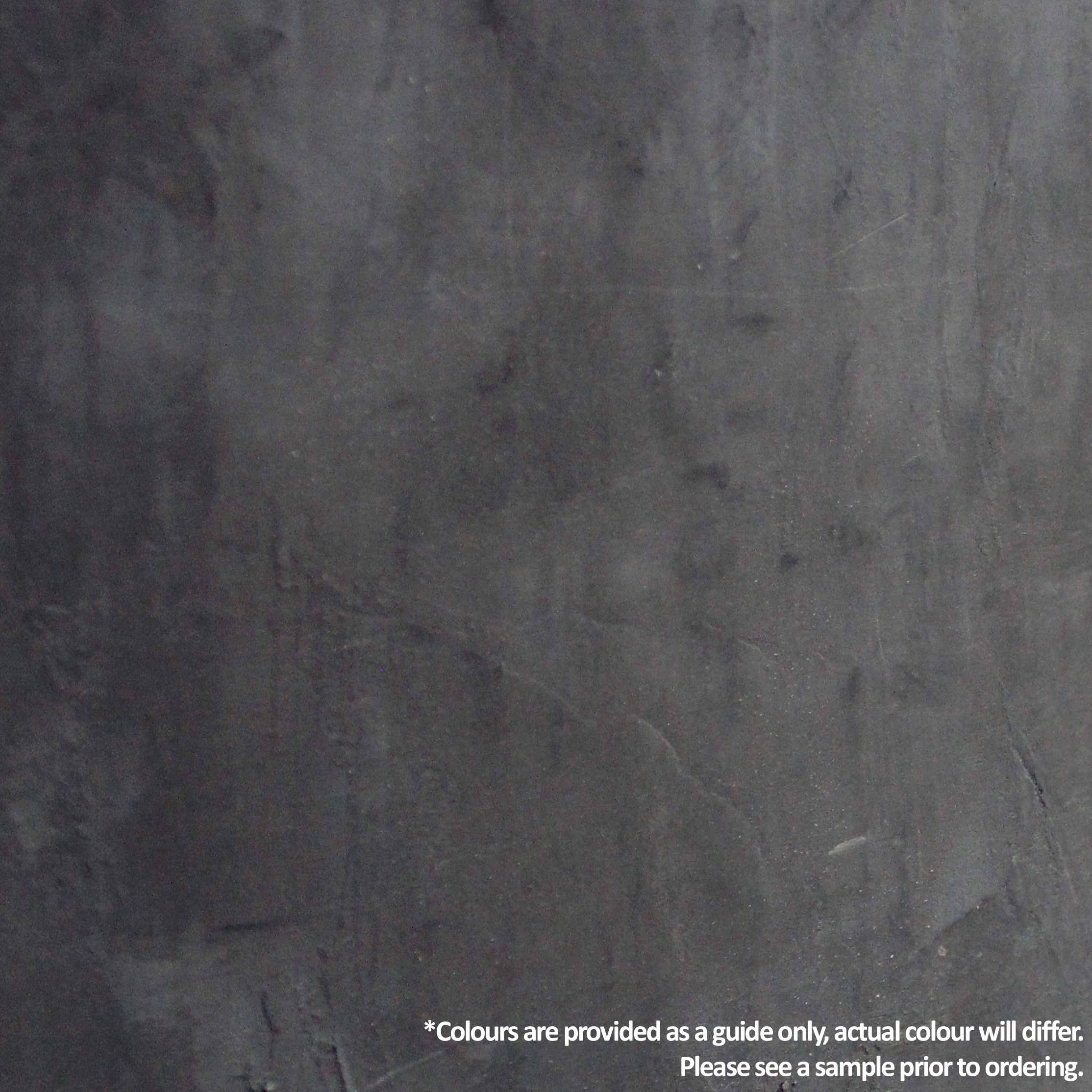
Polished Concrete Finish (Uni-Rock) – Dark Grey
-
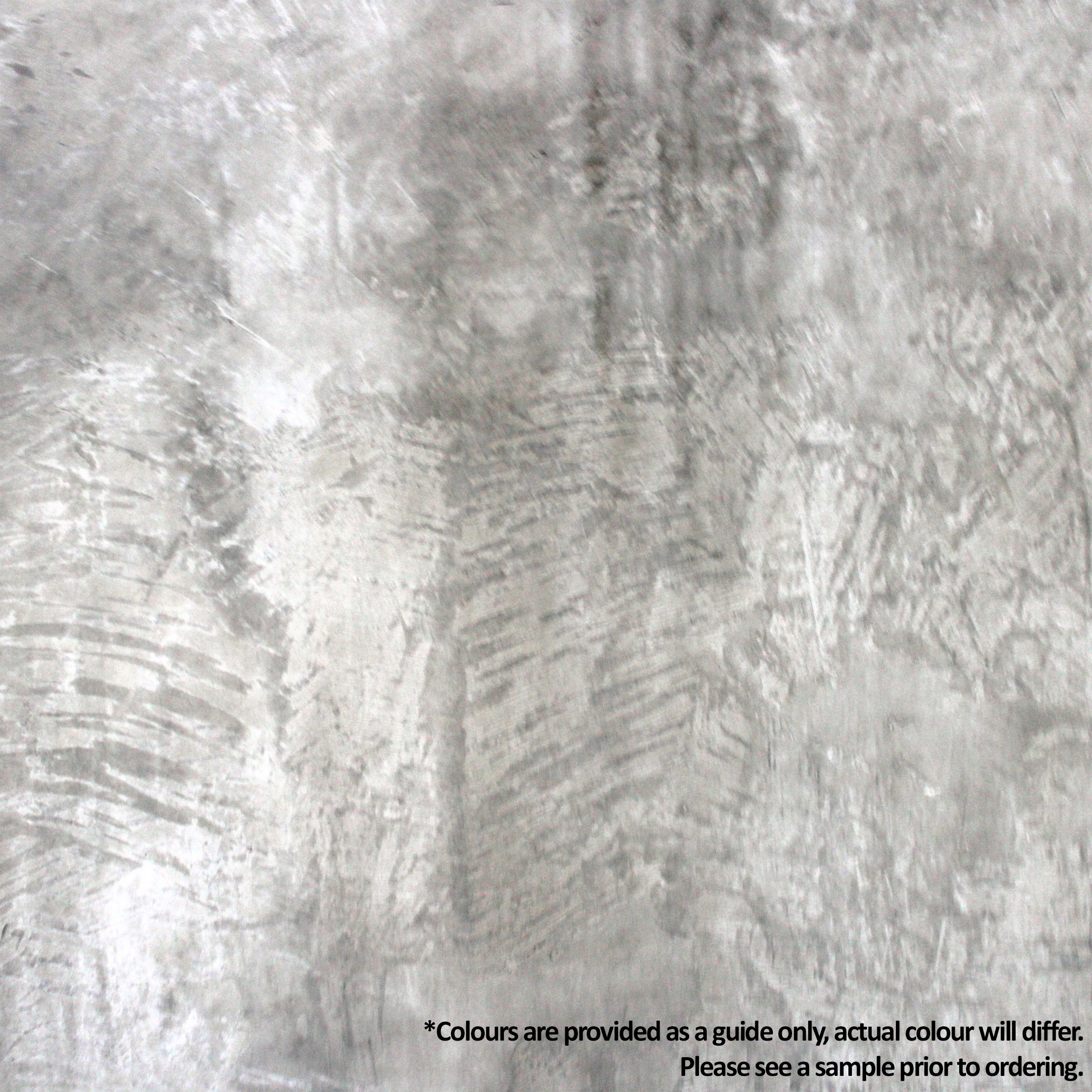
Polished Concrete Finish (Uni-Rock) – Grey
-
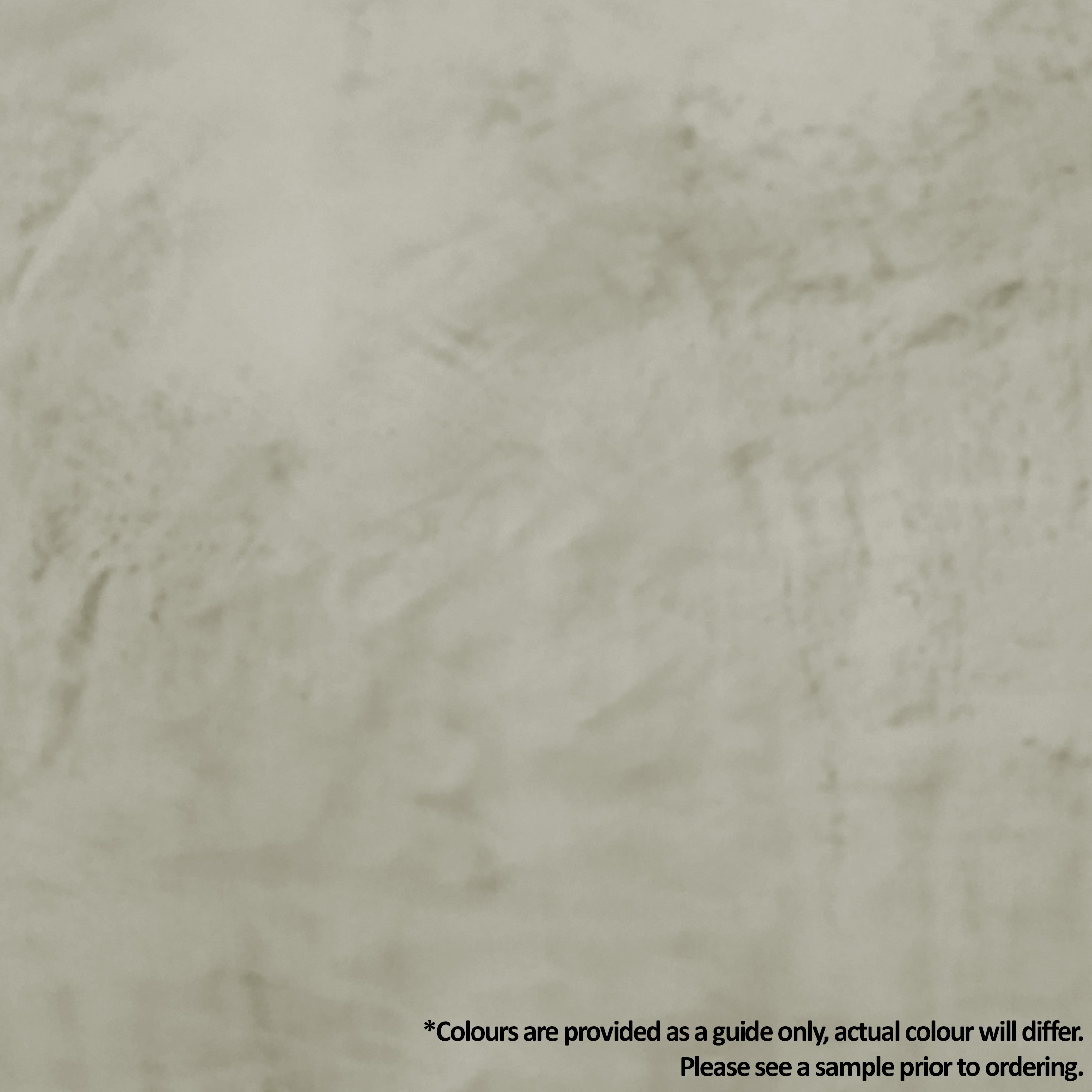
Polished Concrete Finish (Uni-Rock) – Off White
-
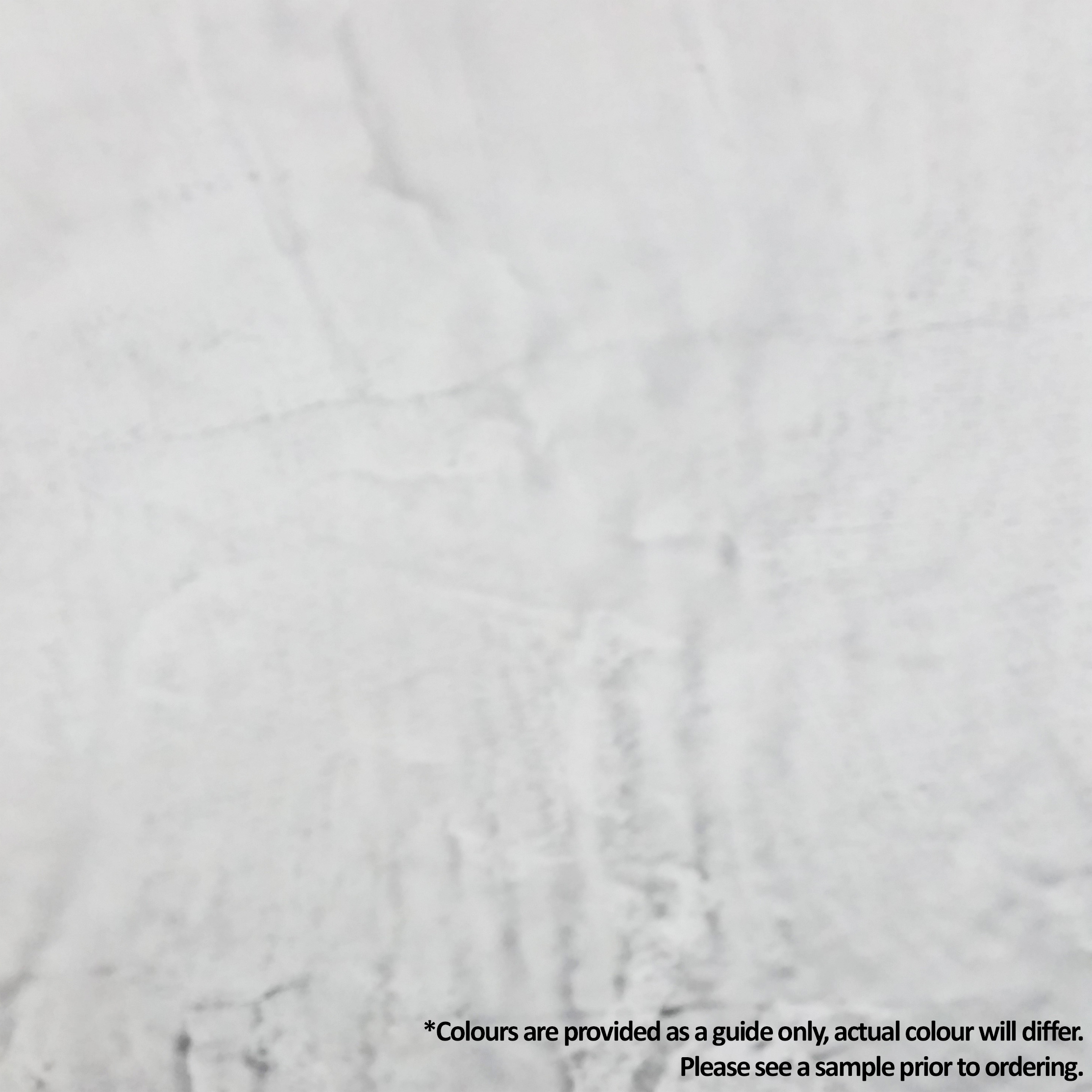
Polished Concrete Finish (Uni-Rock) – White
What Is Uni-Rock?
Uni-Rock is a blended dry powder for steel-trowel applied smooth concrete-like finishes. It’s based on a blend of cements, special fillers and chemical additives, formulated for good workability while keeping water demand low. Mixed thoroughly with water and trowelled thin over rendered walls, it gives a concrete look render with real depth: a smooth concrete effect finish. When dry it provides a strong, durable, lightly polished surface that adheres very well to rendered walls, and for a glossier result it can be over-coated with a sealer such as Unitex® Cembond.
Shades and Supply
Uni-Rock is available in three concrete-like shades — grey, white and off-white — each supplied in a 15 litre pail. A pail covers approximately 15–18 m² at a 1 mm thickness. Because the product contains cement, it must be kept dry, and a shelf life of about six months should be expected. Refer to the safety data sheet before handling, as Portland cement is a hazardous substance.
Where Uni-Rock Works as a Polished Concrete Wall Finish
Uni-Rock is designed as a skim coat over dry Unitex Polymer Render (with 5–10% added Portland cement) on walls, applied to a depth of 1–1.5 mm. That makes it a practical way to give an existing, dried rendered finish a uniform new appearance, and it can also fill cracks and voids on rendered walls. Over Polymer Render, Uni-Rock doesn’t show the water sensitivity that can often be encountered with plaster, cement or lime based compounds. It suits internal and external feature walls where a polished concrete wall finish is the brief. It isn’t intended for use over Base Board, so it’s a finish for rendered masonry, not lightweight cladding systems.
Substrate Preparation
The surface must be clean, dry and free of grease, oil, mould, dirt, dust, release agents, bond-breakers or anything else that could interfere with adhesion. Freshly applied cementitious render should be left for a minimum of 28 days so the cement can fully cure before Uni-Rock goes on. For a superior finish, a skim coat of Unitex® Polymer Render goes on first and must dry thoroughly, taking 2–3 days, to prevent shrinkage cracks. The wall should read below 15% Wood Moisture Equivalent on a moisture meter before a skim coat of Uni-Rock, to a maximum of 1.5 mm, is applied. As with any render or texture system, the applicator should always provide a test area of the complete system for the builder’s and specifier’s approval, and making the substrate good is the builder’s or head contractor’s responsibility.
Mixing and Trowel Application
Uni-Rock must always be mixed into water, never the other way around, and stirred with a mechanical mixer to a homogenous slurry. A good guide is three volumes of Uni-Rock to one volume of water, with a little more water on hotter days, because too much water leads to shrinkage and cracking. The slurry thickens as the cement cures, giving a pot life of about three hours in ambient conditions. Apply it with a steel trowel, then once the coating has partially set, buff it to a smooth finish with a light, circular motion. A sponge finish is also possible, but the surface shouldn’t be worked too much, because moisture drawn up from beneath can leave an unsightly result. That minimum-working rule is the heart of a good trowel applied concrete finish. Uni-Rock must not be applied when temperatures are below 10°C or above 35°C. The smoother the surface, the harder it is to get right, so Unitex recommends experienced professional applicators.
Curing and Over-Coating
Uni-Rock is an air-dried product. Water leaves the coating and the cement hardens over the following weeks, so the finish needs protection from rain, moisture and cold while it cures, and from impact damage for at least 28 days. After a minimum of 48 hours it can be over-coated with a sealer such as Unitex® Cembond, a protective top coat such as Uni-PTC®, or a thicker acrylic coating such as Unitex Membrane®. These top coats can be pre-coloured, giving a decorative, uniform appearance while improving the durability of the system.
Cracking and Expansion Joints
Like any render-based finish, Uni-Rock relies on the wall beneath it. Adequate expansion joints on every elevation and between different substrates are the builder’s or head contractor’s responsibility, and cracking from substrate movement where joints weren’t provided is not a sign of faulty material. It points to the building practice. Our guide on why render cracks and where expansion joints belong covers it in detail.
Frequently Asked Questions
Is Uni-Rock suitable for polished concrete floors?
Uni-Rock is specified for walls. It’s a thin, trowel-applied skim coat over rendered walls, not a floor system. Contact the technical sales team if you’re considering any other application.
How thick is Uni-Rock applied?
Uni-Rock is applied as a skim coat to a depth of 1–1.5 mm, with a maximum of 1.5 mm. At 1 mm thickness, a 15 litre pail covers approximately 15–18 m².
Can Uni-Rock be applied over Base Board?
No. Uni-Rock is designed for rendered masonry surfaces and isn’t intended for use over Base Board. Talk to the technical sales team about the right finish for a Base Board system.
Can Uni-Rock be sealed or over-coated?
Yes. After a minimum of 48 hours it can be over-coated with a sealer such as Unitex Cembond for a glossy finish, a protective top coat such as Uni-PTC, or a thicker acrylic coating such as Unitex Membrane.
Who should apply Uni-Rock?
Unitex recommends experienced professional applicators, because the smoother the surface, the more difficult it is to apply correctly. A test area of the complete system should always be approved by the builder and specifier first.
Get a Quote for Polished Concrete Finish
Contact the Unitex technical sales team on 1800 RENDER or sales@unitex.com.au with your plans to confirm the right base render, shade and quantity for your polished concrete finish.